


BLU.E-Mobility
at PORT OF KIEL.
At the port, the expansion of e-mobility is continuing both internally and externally. Green electricity is readily available and comparatively cost-effective. In the medium term, other types of propulsion will be introduced. As a port handling regional and international freight and passenger traffic, we always look beyond our own port boundaries, for example, when it comes to developments in supplier transport and passenger travel. A key question we ask ourselves is: What changes can be made within the port area to continuously reduce CO₂ emissions further? Our own cars and cargo-handling vehicles are increasingly being converted to electric power. At the same time, we are expanding the charging infrastructure for electric lorries and cars at our terminals.
Through these measures, we are working to gradually reduce the CO₂ emissions of our port operations.
E.Mobile-Fleet
We are gradually converting our group’s car fleet to electric power. As well as installing charging points for our own pool vehicles, we are also continuing to expand the public charging infrastructure at our port sites.
Tractor units
The electrification of our tractor units used for loading and unloading ships presents a particular challenge due to the high operational demands. We are in discussion with various manufacturers regarding this. In 2026, we took delivery of the first electric Tugmaster as a test vehicle in order to gain experience with this propulsion technology in port operations.
E.forklifts
We are gradually converting our forklift fleet to electric power. In doing so, we are also benefiting from reduced maintenance requirements and shorter downtime. In our experience, one electric forklift can therefore replace up to 1.5 diesel forklifts.
E.lorries
We are preparing our port terminals for the increasing use of electric lorries. Together with our partner ENGIE Vianeo, we have commissioned eight fast-charging points, each with a charging capacity of 400 kW, at Ostuferhafen. Four further charging points are due to open at Norwegenkai in early 2027.
Intermodal transport
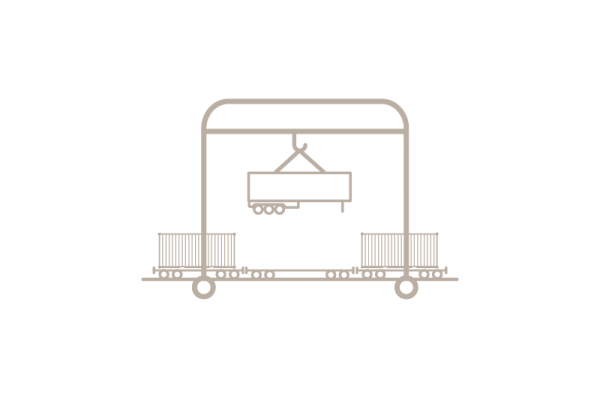
Trailers, swap bodies and containers are regularly loaded and unloaded at our intermodal transport terminals in Kiel, travelling to and from destinations within Germany and across Europe. We would like to promote additional rail connections in order to shift as much traffic as possible from road to rail.

E.Aviation
At Kiel Airport, too, we are looking into the future development of electric propulsion technologies. With a photovoltaic system on Hall 4, the airport is already generating its own solar power. We are closely monitoring the further development of electric aviation and the charging infrastructure required for it.